
What is cellulite?
Cellulite is a fat deposit underneath the skin which appears as lumpy, dimpled flesh on the skin. It is a cosmetic condition common amongst women which is usually found on the thigh, buttocks, stomach and hip. As much as it isn’t a threat to your physical health it is often seen as unsightly and undesirable hence making it a source of stress for those who have it.
Cellulite occurs in various severity
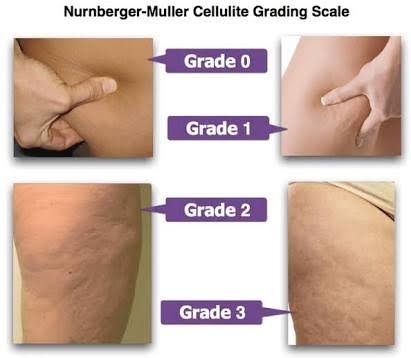
Grade 1: For someone with grade 1, the person have a smooth skin while standing but an “orange-peel”, slightly “draped” or sagging appearance to the skin while sitting down.
Grade 2: For someone with grade 2, the person has an orange peel appearance while standing up and “cottage cheese” appearance while sitting.
Grade 3: In this case the skin appears with deep depressions, and the skin is severely draped.
Causes of Cellulites
Cellulites occur when fat layers protrude into the skin layer this causes the skin to appear dimpled and bumpy. Basic factors that leads to this condition are;
- Dietary and lifestyle
People whose meals are made up basically of carbohydrates ,fats and oil and less vegetables are more prone to it. It has also been suggested that changes in the blood circulation of cellulite-affected areas could be partially blamed for this and wearing tight underwear across the buttocks or thigh region limits blood flow in these areas. An inactive lifestyle with prolonged sitting reduces blood flow and causes these changes in areas prone to cellulite.
- Hormones
Cellulite develops due to changes in the size of your fat cells and it’s been suggested that hormonal imbalance that promotes fat gain could put a person at higher risk of developing cellulite. It has also been suggested that Estrogen, insulin, noradrenaline, thyroid hormones, and prolactin are part of the cellulite production process.
- Genetic factors
There are genes which are required for cellulite development. A Person with a low metabolic rate and low circulatory level is prone to it. Women are much more likely to develop cellulite than men because the women have large number of fat cells that stand vertically under the skin, with the tops of the cells meeting connective tissue at a right angle.
NB: weight gain can make it worse.
Treatment for cellulite.
Although there is no exact cure for cellulite but there are wide range of treatments available as stated by The American Academy of Dermatology (AAD) which may be successful by breaking up the bands of connective tissues under the skin surface this process would reduce the appearance of cellulite on the skin.
Some of these treatments includes;
- Acoustic wave therapy which uses a device to transmit sound waves to the skin causing breakdown of the fat cells. It may work, but it can take several sessions.
- Laser treatment which involves the insertion of a laser probe under the skin to improve its appearance for a given period.
- Subcision involves using a needle to break up the connective tissue bands. This process is done by a dermatologist inserting a needle underneath the skin.
- Manually massaging the skin can also reduce its appearance, this will last for just a while.
- Radiofrequency treatment which involves hitting the skin which electromagnetic wave waves which could break down fatty cells and encourage collagen production.
- Supplements: Including Ginkgo biloba, Centella asiatica and Melilotus officinalis.
 Healthy folks